CHOOSING THE RIGHT WORK TRUCK
TRUCK SIZE & CONFIGURATION GUIDE
Choosing a commercial pickup is about more than make and model. Pickup category, manufacturer model series, rear-wheel configuration, bed type, GVWR and other vehicle specifications can all affect whether a truck fits the work you need to do.
Use this guide to understand the terminology used throughout the GA Fleet Rentals commercial fleet, then compare actual truck specifications before reserving.
START WITH PICKUP CATEGORY
3/4 TON VS. 1 TON:
WHAT’S THE DIFFERENCE?
For many commercial renters, pickup category is the first decision. A 3/4-ton pickup may provide the right balance of capability and everyday usability, while a 1-ton pickup may better fit work that demands greater payload, towing capacity or heavier-duty configurations.
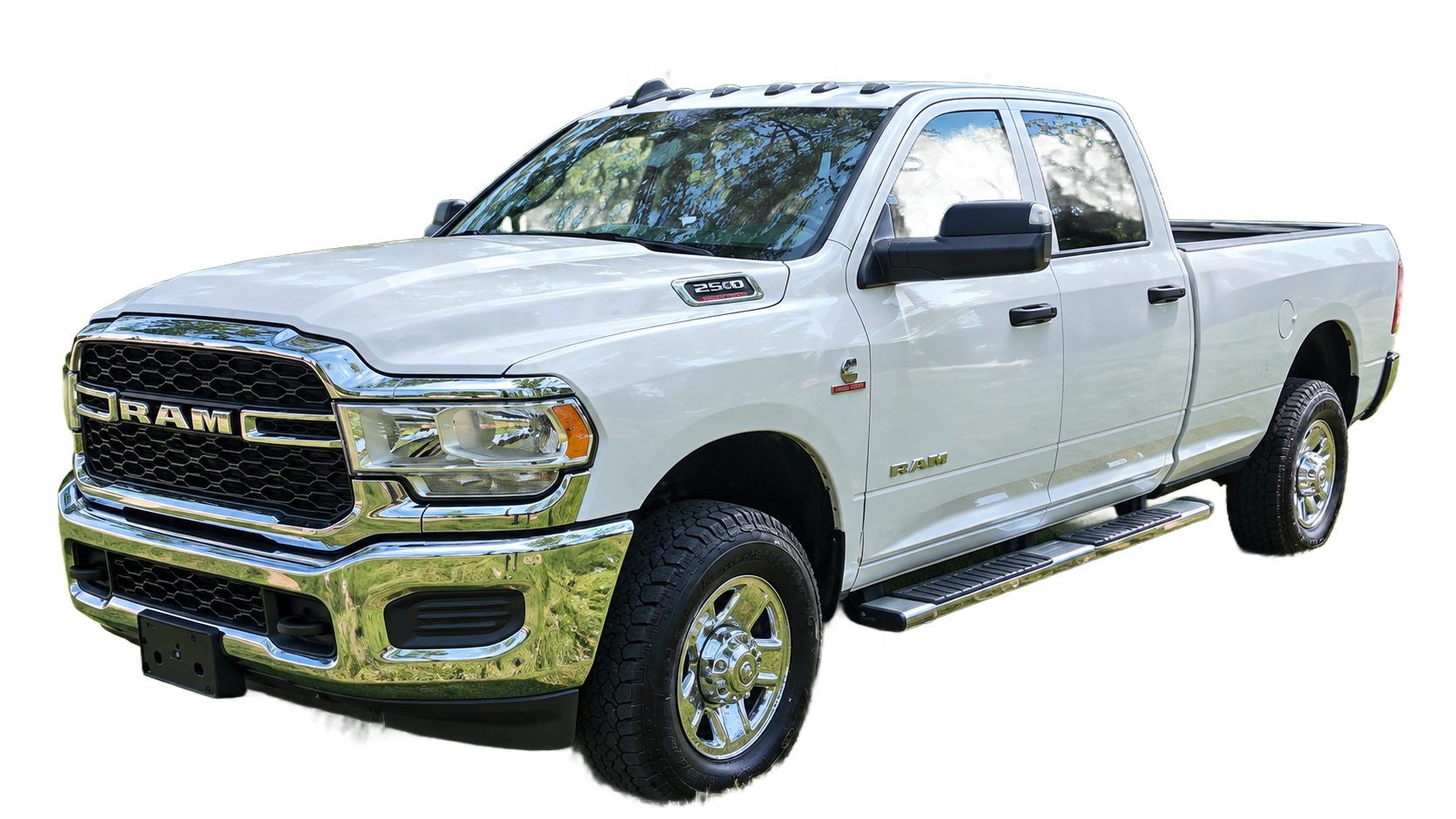
3/4-Ton Pickups
Common examples include Ram 2500 and Ford F-250 models.
3/4-ton pickups are commonly selected for commercial work that requires more capability than a standard pickup while maintaining everyday usability and towing flexibility. They can be a strong fit for contractors, field crews and businesses that need dependable truck capacity for day-to-day operations.
- Commonly referred to as 3/4-ton pickups
- May include Ram 2500 and Ford F-250 models
- Available configurations vary by vehicle
- Actual GVWR, bed type, drivetrain and other specifications should be reviewed before reserving

1-Ton Pickups
Common examples include Ram 3500 and Ford F-350 models.
1-ton pickups are built for more demanding commercial work and may offer greater payload, towing capability and configuration options, including SRW and DRW setups.
- Commonly referred to as 1-ton pickups
- May include Ram 3500 and Ford F-350 models
- May be available as SRW or DRW
- Actual GVWR and equipment specifications vary by vehicle
Important Note: “3/4 ton” and “1 ton” are commonly used pickup-category terms. Actual capacity should always be based on the individual vehicle’s specifications rather than the category name alone.
MODEL NAMING
2500, 2500HD, F-250
OR
3500, 3500HD, F-350?
Truck manufacturers use different naming systems for similar pickup categories. Ram commonly uses 2500 and 3500 model designations, while Ford uses F-250 and F-350.
These model names are useful starting points, but they do not replace the actual vehicle specifications. Two trucks in the same general category can still have different GVWR, rear-wheel configurations, bed types and equipment.
3/4-Ton Examples
Common Model Names:
- Ram 2500
- Ford F-250
- Chevrolet 2500HD
Common Characteristics:
- Generally associated with the 3/4-ton pickup category
- Commonly available in SRW configurations
- Used for commercial towing and hauling
- May have pickup beds or other vehicle-specific configurations
1-Ton Examples
Common Model Names:
- Ram 3500
- Ford F-350
- Chevrolet 3500HD
Common Characteristics:
- Generally associated with the 1-ton pickup category
- May be available in SRW or DRW configurations
- Used for heavier commercial applications
- May be available with pickup beds or flatbeds depending on the vehicle
Key Point: The model name is a useful starting point, but always compare the actual truck specifications before choosing a rental.
REAR-WHEEL CONFIGURATION
SRW VS. DRW
Rear-wheel configuration affects more than truck width. It can also influence payload capacity, rear-axle stability and which trailer and hitch combinations are best suited to the truck. Always compare the truck’s actual ratings, hitch setup and intended trailer before choosing a configuration.
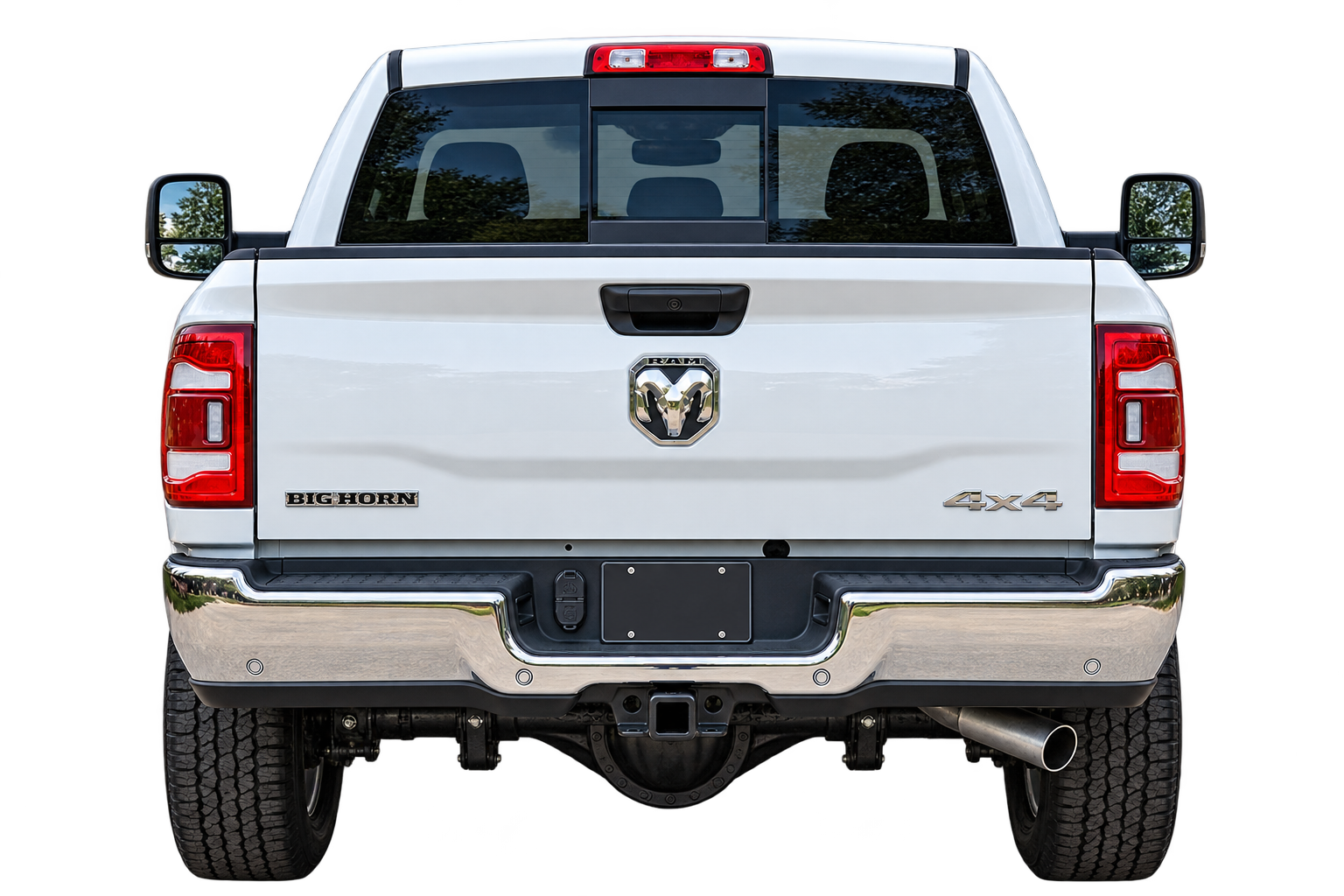
SRW — Single Rear Wheel
A SRW truck has one rear wheel on each side of the rear axle.
SRW trucks are commonly used for commercial towing and hauling where the truck’s payload, rear-axle rating and towing specifications support the intended load.
SRW can be a good fit when a business needs:
- A narrower overall truck width
- More conventional pickup maneuverability
- Commercial towing within the truck’s rated specifications
- Gooseneck towing applications where the truck and hitch are properly rated for the trailer and load
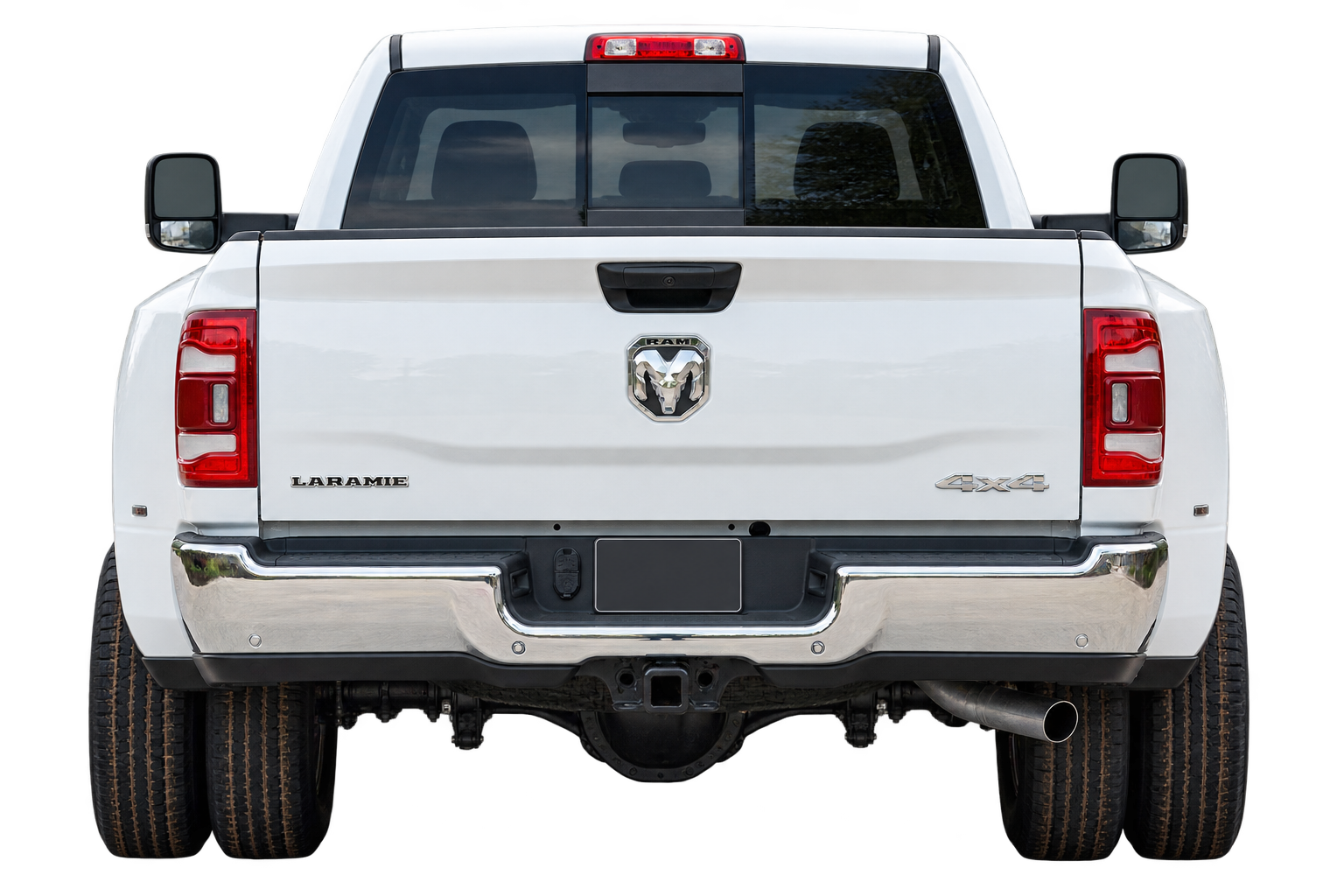
DRW — Dual Rear Wheel
A DRW truck has two rear wheels on each side of the rear axle. These are commonly called dually trucks.
DRW trucks are often selected for applications that place greater load over the rear axle and benefit from additional rear-axle capacity and stability.
DRW trucks are often a better fit when:
- Heavier payload or trailer pin-weight demands are involved
- Additional rear-axle stability is useful
- A fifth-wheel hitch is being used
- The application includes trailers such as wedge trailers, campers or other loads that place significant weight over the truck bed
Fifth-Wheel vs. Gooseneck Connection
Fifth-wheel hitches distribute vertical trailer load across a larger plate surface and can provide additional stability when substantial trailer weight is carried over the truck bed. Some fifth-wheel applications are converted to a gooseneck-style connection, but GA Fleet Rentals does not generally recommend that approach for applications designed around a fifth-wheel hitch because the load is concentrated differently at the connection point.
Key Point: SRW VS. DRW IS ONLY ONE PART OF THE DECISION. TRAILER TYPE, HITCH CONFIGURATION, PIN OR TONGUE WEIGHT, GVWR, AXLE RATINGS, TOWING SPECIFICATIONS AND THE FULL TRUCK-AND-TRAILER COMBINATION ALL MATTER.
UNDERSTANDING VEHICLE RATINGS
WHAT DOES GVWR MEAN?
GVWR stands for Gross Vehicle Weight Rating. It is the maximum rated weight of the vehicle when loaded, including the truck itself, occupants, cargo and other applicable load.
Why GVWR Matters
GVWR can affect:
- How much total weight the truck is rated to carry
- How a renter evaluates payload needs
- Commercial operating requirements
- Licensing considerations
- Which truck may be suitable for the intended work
GVWR is not the same as payload or towing capacity. Always review the specific truck’s ratings and specifications.
GVWR AND GCWR ARE NOT THE SAME THING
GVWR
Gross Vehicle Weight Rating applies to the truck itself.
GCWR
Gross Combination Weight Rating applies to the truck + trailer combination.
Why it Matters --
A truck may fall below a certain GVWR on its own while the combined truck-and-trailer rating reaches a higher threshold.
This is especially important when using:
- Gooseneck trailers
- Equipment trailers
- Heavy commercial loads
OPERATING REQUIREMENTS
WHEN CAN CDL REQUIREMENTS COME INTO PLAY?
CDL and commercial operating requirements depend on the specific truck, trailer, combined ratings, cargo and type of operation. GA Fleet Rentals provides vehicle specifications to help renters compare equipment, but renters are responsible for confirming that their driver and vehicle combination meet all applicable federal, state and local requirements.
BED CONFIGURATION
PICKUP BED OR FLATBED?
Important Note
Bed type should be chosen based on the intended load and securement requirements, not appearance alone.
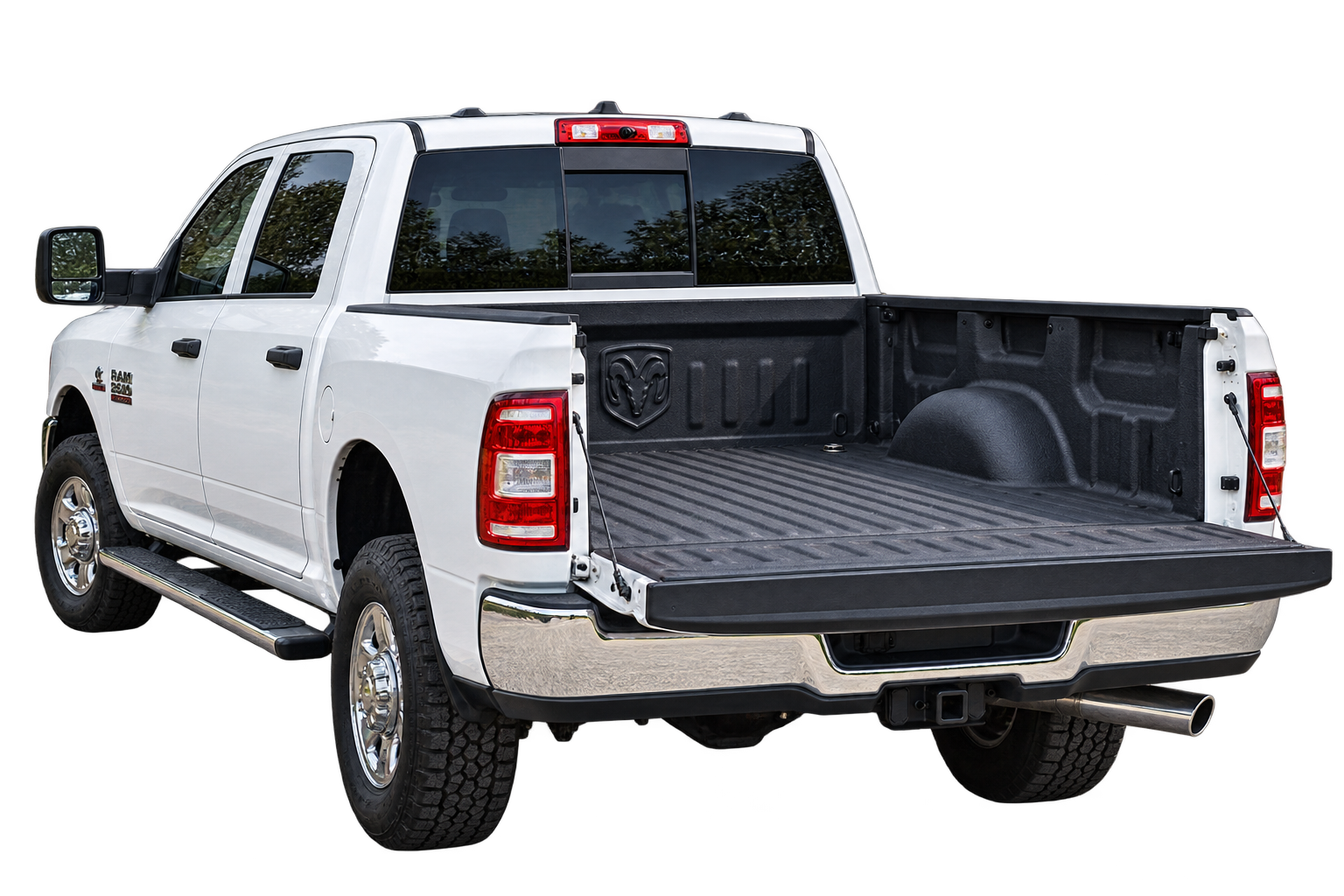
Pickup Bed
Traditional pickup beds provide enclosed sides and familiar cargo space for tools, materials and general commercial use.
Often useful for:
- Tools
- Smaller materials
- General contractor use
- Day-to-day commercial work
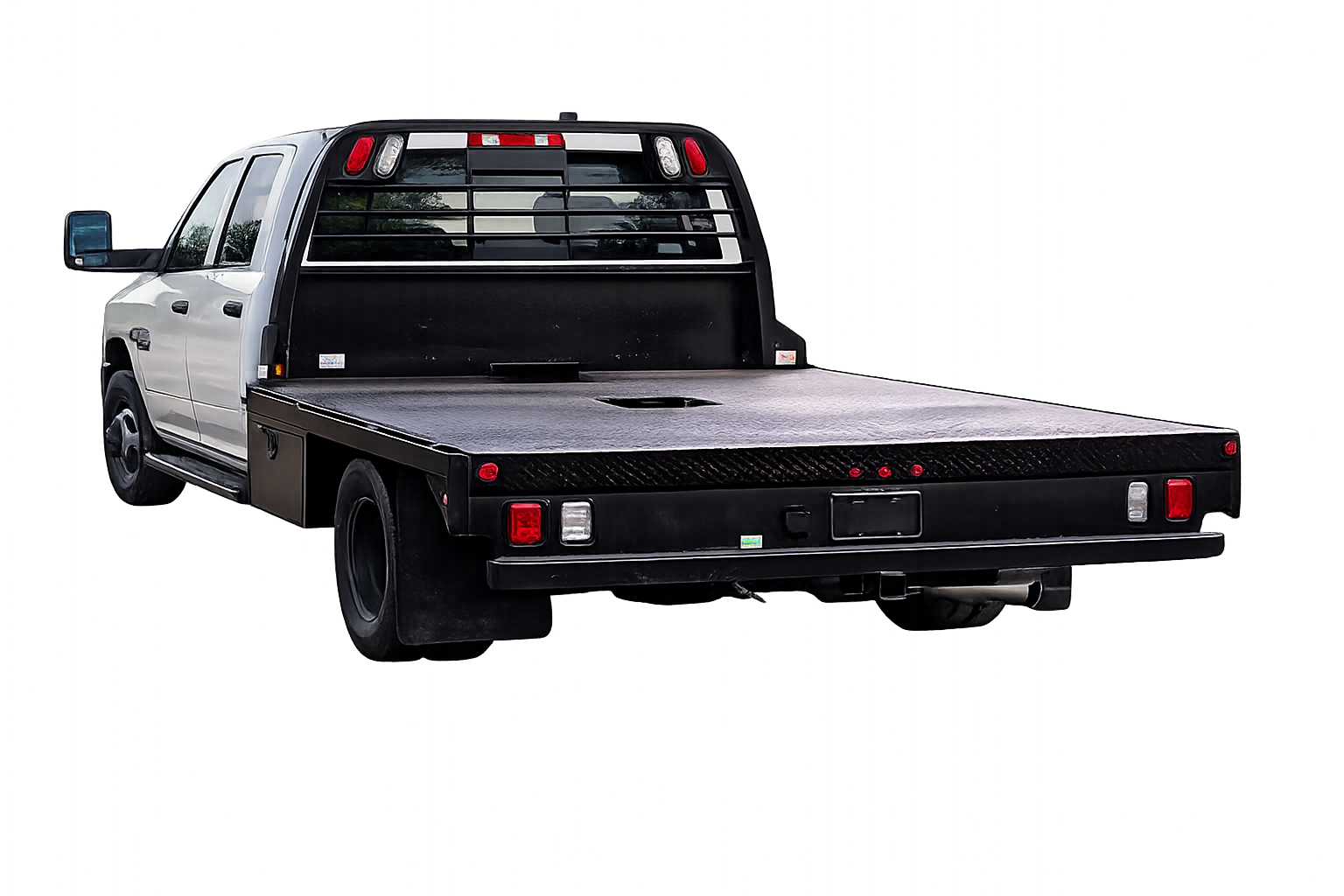
Flatbed
Flatbeds provide open access from the sides and rear and can make loading or securing certain commercial materials easier.
Often useful for:
- Oversized materials
- Pallets
- Equipment
- Loads requiring side access
COMPARE THE DETAILS
WHAT SHOULD YOU CHECK BEFORE RESERVING?
- Pickup Category
3/4 ton or 1 ton
- Model Series
Ram 2500 / 3500, Chevrolet 2500HD / 3500HD, or Ford F-250 / F-350
- Rear-Wheel Configuration
SRW or DRW
- Bed Type
Pickup bed, flatbed or other available configuration
- GVWR
Actual vehicle rating
- Fuel / Engine
Where relevant to the renter’s needs
- Rental Rate
Current published pricing
- Availability
Current rental availability
- Rental Requirements
Applicable commercial driver, insurance and payment requirements
NEXT STEPS
A SIMPLE WAY TO NARROW YOUR OPTIONS
This is the text area for this paragraph. To change it, simply click and start typing. Once you've added your content, you can customize its design. This is the text area for this paragraph. To change it, simply click and start typing.
01 — Start With the Work
What are you hauling or towing?
04 — Review the Ratings
Check GVWR and the vehicle’s other specifications.
02 — Choose the Pickup Category
Does the job point you toward 3/4 ton or 1 ton?
05 — Confirm Operating Requirements
Make sure the driver and vehicle combination meet applicable requirements.
03 — Choose the Configuration
SRW or DRW? Pickup bed or flatbed?
06 — Check Availability
Browse current GA Fleet Rentals inventory and compare the actual trucks available.
READY TO COMPARE THE ACTUAL FLEET?
NOW FIND THE TRUCK THAT FITS THE WORK.
Use this guide as a starting point, then compare current GA Fleet Rentals trucks by pickup category, manufacturer model, rear-wheel configuration, bed type, GVWR and availability.